Trying to choose between a backyard in the northwest suburbs and a walkable spot in in-town Atlanta? You are not alone. Most buyers weigh tradeoffs like commute, space, and weekend fun before they ever start touring homes. In this guide, you will see the key differences in commute times, housing types and prices, lot sizes, walkability, and daily life so you can feel confident about your short list. Let’s dive in.
Quick snapshot: what changes most
- Prices and product: City of Atlanta offers a wide range with a citywide median in the mid-300Ks in recent estimates. Marietta and Woodstock often trend in the mid-400Ks to low-500Ks, while Kennesaw often sits in the mid-300Ks to low-400Ks. Neighborhoods vary, so confirm with current local data before you decide.
- Commute and transit: Averages look similar across city and suburbs, but how you get around changes. In-town neighborhoods can offer MARTA access and walkability for daily errands. Suburbs lean on driving and park-and-ride express buses.
- Space and lots: Suburbs commonly deliver larger homes and yards. In-town living trades yard size for proximity to restaurants, culture, and short non-work trips.
- Daily life: City residents often have coffee, gyms, and dining a short walk away. Suburban residents have larger retail centers, outdoor recreation, and event-style entertainment close by.
Commute times and transit options
On paper, average one-way commute times look surprisingly close. U.S. Census QuickFacts shows Atlanta’s mean commute near the mid-20-minute range, with Marietta, Kennesaw, and Woodstock typically in the high 20s on average. These are citywide means and can hide big differences neighborhood to neighborhood. You can review Atlanta’s citywide averages directly in Census QuickFacts to set context for your own search. See Atlanta’s QuickFacts overview.
If you are considering Marietta specifically, Census QuickFacts reports a mean commute around the high 20s minutes, similar to the broader pattern in the northwest suburbs. View Marietta’s Census QuickFacts.
How you travel often matters more than the average number. DataUSA summaries of mode share show that most Atlantans still drive. The city has a higher share of public transit and work-from-home commuters than many suburbs, but the car remains king across the region. Explore Atlanta commute mode patterns.
- Rail and bus: MARTA rail and bus cover central neighborhoods and parts of Fulton and DeKalb. Rail does not extend across most of northwest Cobb or Cherokee, so many suburban commuters drive or use park-and-ride lots to reach express buses. For schedules and stations, check MARTA train stations and schedules.
- Practical drive times: Marietta sits roughly 15 to 20 miles from downtown Atlanta. Off-peak drives can be under 30 minutes. Peak periods can stretch to 40 to 60 minutes or more. Kennesaw and Woodstock add time in heavy traffic. Always test your exact route during your real commute window. For a distance reference, see this Marietta to Atlanta overview.
Housing types and prices at a glance
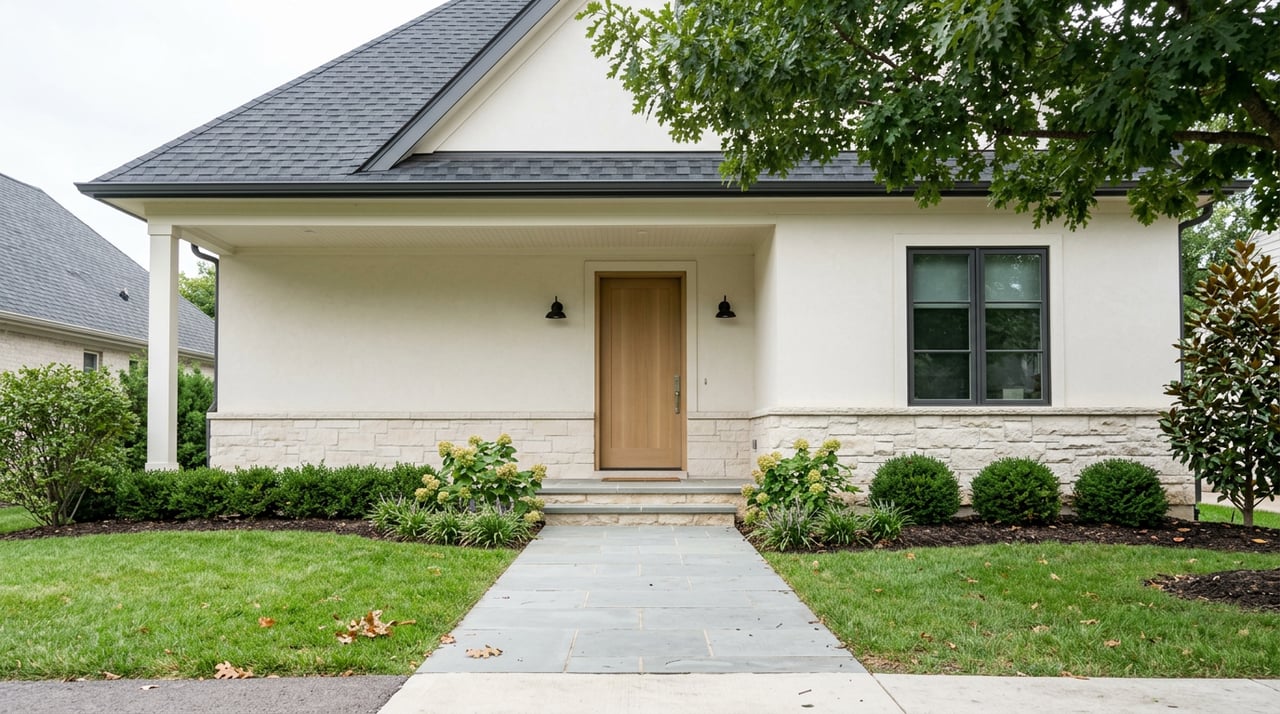
In-town Atlanta offers a mix: condos and apartments in mid-rise and high-rise buildings, historic bungalows on smaller lots, and pockets of townhomes. Recent aggregator estimates put the citywide median around the mid-300Ks, but prices vary widely by neighborhood and building type.
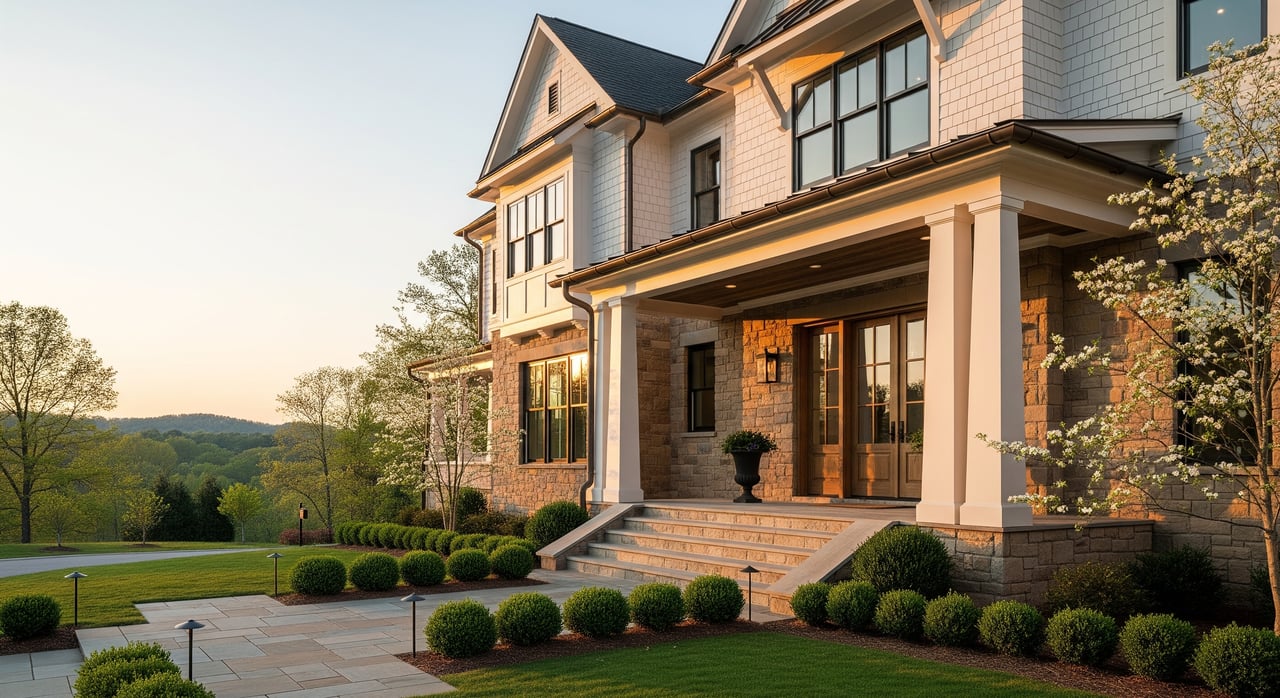
Northwest suburbs like Marietta, Kennesaw, and Woodstock lean toward single-family homes, with many newer subdivisions and master-planned communities. Recent sources often place Marietta and Woodstock in the mid-400Ks to around 500K, with Kennesaw frequently in the mid-300Ks to low-400Ks depending on the period and submarket.
What this means for you: If you want more square footage and a traditional backyard, the suburbs often deliver more space per dollar. If you value being close to dining, culture, and short daily trips, an in-town condo, townhouse, or bungalow can balance a smaller footprint with a bigger lifestyle.
Lot size and interior space
- In-town: Smaller lots are common, especially in historic neighborhoods close to the core. Many homes rely on street parking or smaller driveways. Townhomes and condos can remove yard maintenance entirely.
- Suburbs: Larger yard footprints, two-car garages, and more interior square footage are common, especially in newer subdivisions. If you want space for pets, gardens, or weekend grilling, these neighborhoods fit the bill.
Walkability and daily convenience
Walkability in Atlanta depends heavily on the neighborhood. Citywide, Walk Score labels Atlanta as car dependent overall, yet central neighborhoods like Midtown, Old Fourth Ward, and parts of Buckhead score much higher and support an everyday walkable lifestyle. See Walk Score’s Atlanta overview.
In the northwest suburbs, you will find walkable pockets rather than full-city coverage. Downtown Marietta around Marietta Square, Downtown Woodstock, and select master-planned areas offer comfortable strolling for dining and events. Outside these nodes, most errands typically require a car.
Entertainment, culture, and the outdoors
Living in-town often puts major venues within a short trip: the Atlanta BeltLine, Historic Fourth Ward Park, Ponce City Market’s food hall, the Fox Theatre, and pro-sports venues downtown. Many residents enjoy the rhythm of short weeknight outings with less planning. For a snapshot of a popular in-town park-corridor, explore Historic Fourth Ward Park and the BeltLine connection.
In the northwest suburbs, the vibe tilts toward event-based fun and outdoor time. Marietta Square hosts frequent festivals and dining spots around the historic core. Kennesaw Mountain National Battlefield Park offers hiking and sweeping views. Downtown Woodstock runs regular live music and community events. Large retail centers round out dining and shopping without heading in-town.
Schools and districts: understanding boundaries
Attendance zones and districts are a practical factor for many buyers. Much of in-town Atlanta is served by Atlanta Public Schools. Marietta and Kennesaw addresses fall within Cobb County or City of Marietta schools depending on exact location. Woodstock is served by Cherokee County schools. Boundaries change, so always verify the assigned school for a specific address before you submit an offer. Use official district tools and state report cards to compare programs and offerings.
To stay compliant and fair to all readers, focus on objective criteria that matter to you, such as commute, extracurricular offerings, and distance from your home. Map your daily routes to and from school, activities, and caretakers as part of your due diligence.
Property taxes and carrying costs
Georgia property taxes are ad valorem. The final bill reflects combined millage rates for the county, city, and school district, plus any exemptions you qualify for. This means your effective rate will vary between the City of Atlanta in Fulton County, Cobb County cities like Marietta or Kennesaw, and Cherokee County communities like Woodstock.
When comparing homes across counties, run a quick apples-to-apples estimate that includes principal and interest, property taxes, homeowners insurance, HOA dues where relevant, and utilities. A slightly higher purchase price in one area may still align with your monthly budget depending on tax rates and HOA structures.
Who each option tends to fit
- You might lean in-town if you want a short non-work life on foot. If your top priority is walking to coffee, workouts, date-night dinners, and parks, a condo, townhouse, or bungalow in a central neighborhood can deliver.
- You might lean northwest suburbs if more space is your must-have. If you value a larger yard, extra bedrooms, a two-car garage, and nearby outdoor recreation, Marietta, Kennesaw, or Woodstock likely align with your goals.
- You could blend both worlds by targeting walkable suburb nodes. Downtown Woodstock or near Marietta Square can deliver a lively main-street feel with suburban home options.
How to compare neighborhoods like a pro
Use this simple checklist to narrow your search:
- Budget and monthly carry: Define your maximum purchase price and monthly payment, including taxes, insurance, HOA, and utilities.
- Commute window: Decide your acceptable door-to-door time in heavy traffic. Test your route during your actual commute time.
- Walkability needs: Do you want daily walkability to groceries and coffee, or is weekend access enough? Walk Score’s Atlanta overview helps illustrate differences.
- Space must-haves: Minimum bedrooms, home office needs, garage requirements, and yard size.
- Schools and programs: Confirm current attendance zones for specific addresses. Consider proximity to after-school or enrichment activities.
- Transit tolerance: Are you open to park-and-ride plus express bus, or do you want MARTA rail in reach? Review MARTA stations and schedules to see what is realistic.
Current market context
Metro pricing has shifted by neighborhood and product type through 2024 and 2025, and early 2026 snapshots still reflect local variability. New construction often lists higher than comparable resale. The biggest takeaway is to verify current medians, days on market, and comparable sales in the exact area you like. For a pulse on recent list price trends, you can scan this local market roundup and then confirm with fresh MLS data when you are ready to act.
Your next step with a local expert
Choosing between in-town Atlanta and the northwest suburbs comes down to tradeoffs you feel every day: minutes on the road, space you actually use, and how easily you enjoy your weeknights and weekends. If you want appraisal-informed pricing guidance, local neighborhood insight, and negotiation strategies that protect your interests, connect with Leeza Byers. As a Cobb County–focused advisor with an appraisal background and guarantee-driven programs through Your Home Sold Guaranteed Realty, Leeza helps you compare neighborhoods with clarity and move forward with confidence. Get Your Instant Home Valuation and map your best path today.
FAQs
What are average commute times in Atlanta vs the northwest suburbs?
- U.S. Census QuickFacts shows Atlanta’s mean one-way commute in the mid-20 minutes, with Marietta, Kennesaw, and Woodstock often in the high 20s on average; test your exact route during your own peak window.
How do home prices compare between in-town Atlanta and Marietta, Kennesaw, or Woodstock?
- Recent market snapshots show the City of Atlanta around the mid-300Ks citywide, with Marietta and Woodstock often in the mid-400Ks to around 500K and Kennesaw in the mid-300Ks to low-400Ks, though neighborhood variation is significant.
Is in-town Atlanta walkable for daily errands?
- Many central neighborhoods are genuinely walkable even though the citywide average is lower; check specific areas like Midtown or Old Fourth Ward and use tools such as Walk Score to preview daily convenience.
Does MARTA serve the northwest suburbs directly?
- MARTA rail serves central Atlanta and parts of Fulton and DeKalb; most northwest suburb commuters rely on driving or park-and-ride connections to express buses rather than direct rail access.
Where can I find outdoor recreation in the northwest suburbs?
- You can access major spots like Kennesaw Mountain National Battlefield Park for hiking, plus community events in Downtown Woodstock and Marietta Square, along with numerous local parks and greenways.